Review גמרא דף לה: “ר’ חנינא בר פפא” – “אמר רבה בר בר חנה
Learn תוס’ “כאן בזמן שישראל”
Major Question:
Tosfos answers the pasuk is discussing people who are not entirely righteous. How could that be when the paragraph says the people are serving Hashem with all their heart and life בכל לבבך ובכל נפשך ?
Learn גמרא דף לה: “ר’ חנינא בר פפא” – “אמר רבה בר בר חנה
Learn תוס’ “כאן בזמן שישראל”
Major Question:
Tosfos answers the pasuk is discussing people who are not entirely righteous. How could that be when the paragraph says the people are serving Hashem with all their heart and life בכל לבבך ובכל נפשך ?
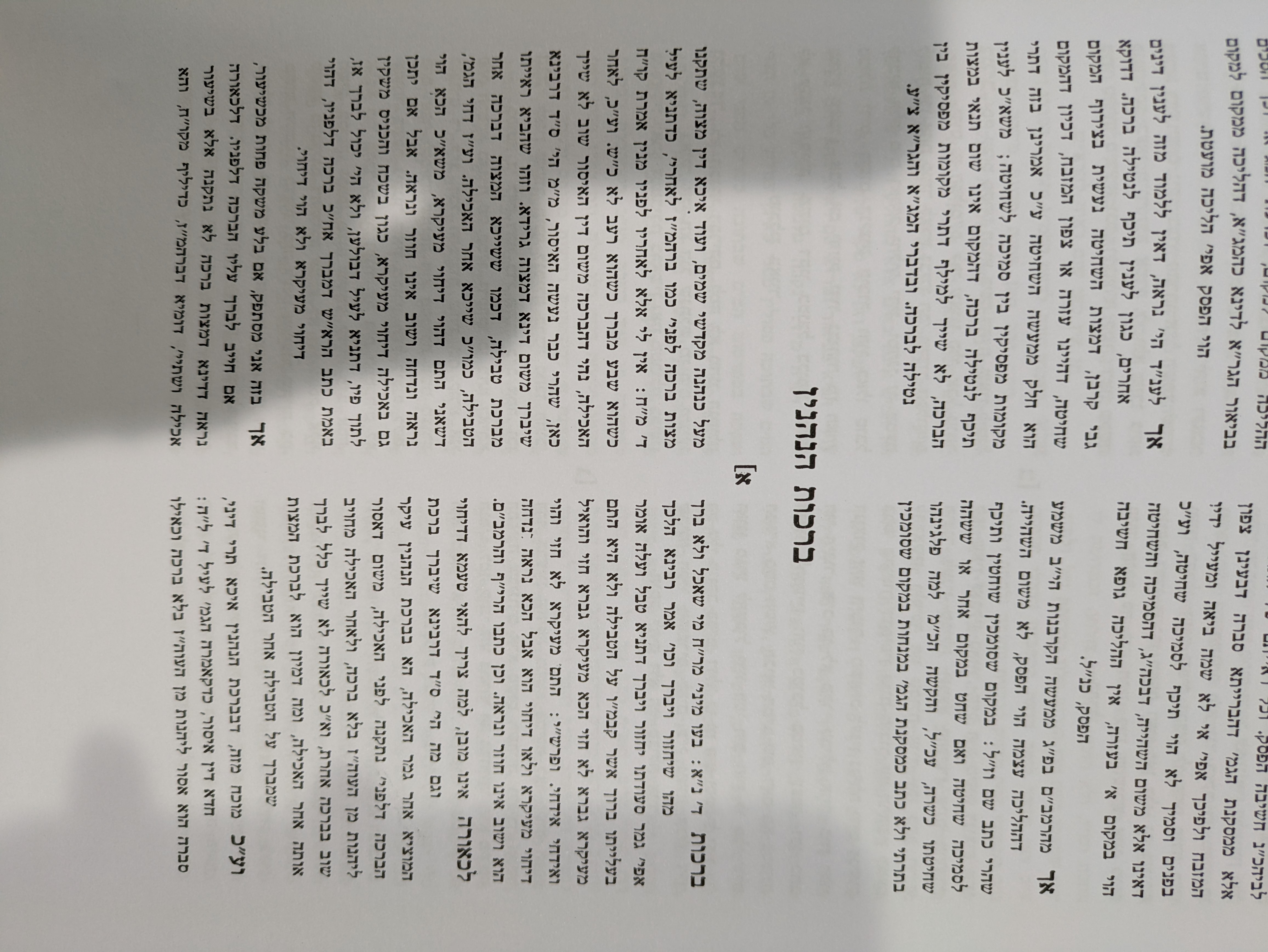
We discussed last week that the שו”ע ס’ ר”ט סע’ ג & ס’ קס”ז סע’ ט & רמ”א סוף ס’ רי rules ספק ברכות להקל
Major Questions:
If the obligation to recite a Bracha Rishona is based on the סברא that one may not benefit from this world without reciting a Bracha.
How could one be permitted to eat when it is uncertain if he recited the proper Bracha?
Based on the סברא a non-jew should be obligated to recite a Bracha. Is that true?
How is a בעל קרי permitted to eat without reciting a Bracha?
How is an אונן permitted to eat without reciting a Bracha?
How is a פועל permitted to eat without reciting a Bracha?
The גמרא דף נא עמ’ ב entertains that if one forgot to recites a Bracha Rishona perhaps he can recite one even after he finished eating.
If the whole reason one has to recite a Bracha Rishona is because אסור ליהנות מעולם הזה בלי ברכה how would reciting the Bracha after he finished eating help, he already ate without a Bracha?
Learn מנחת שלמה ס’ יח אות ט who answers many of the above questions.
If the obligation to recite a Bracha Rishona is based on the סברא that one may not benefit from this world without reciting a Bracha.
How could one be permitted to eat when it is uncertain if he recited the proper Bracha?
Based on the סברא a non-jew should be obligated to recite a Bracha. Is that true?
How is a בעל קרי permitted to eat without reciting a Bracha?
How is a פועל permitted to eat without reciting a Bracha?
The גמרא דף נא עמ’ ב entertains that if one forgot to recites a Bracha Rishona perhaps he can recite one even after he finished eating.
If the whole reason one has to recite a Bracha Rishona is because אסור ליהנות מעולם הזה בלי ברכה how would reciting the Bracha after he finished eating help, he already ate without a Bracha?
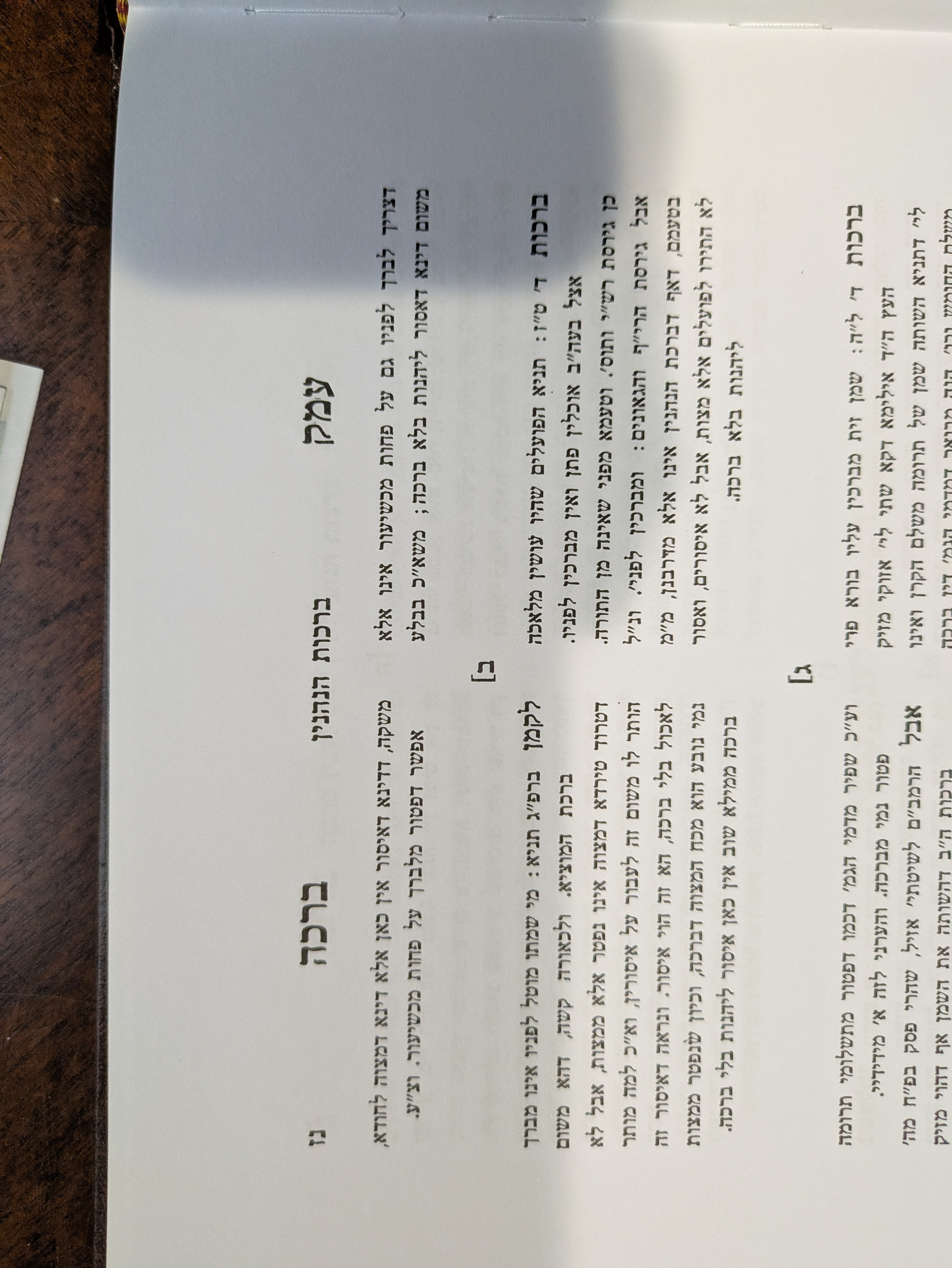
Learn עמק ברכה – ברכת הנהנין אות א & ב who explains a fundamental principle in the obligation to recite a Bracha Rishona.
Learn מנחת שלמה ס’ יח אות ט who answers many of the above questions.
See שו”ע ס’ ר”ט סע’ ג & ס’ קס”ז סע’ ט & רמ”א סוף ס’ רי who rule ספק ברכות להקל
Major Question:
How could one be permitted to eat when it uncertain he recites the proper Bracha. It is a ספק איסור so one should not be all to continue eating unless he recites a Bracha?
If the obligation to recite a Bracha Rishona is based on the סברא that one may not benefit from this world without reciting a Bracha.
Is a non-jew obligated to recite a Bracha?
How is a בעל קרי permitted to eat without reciting a Bracha?
How is a פועל permitted to eat without reciting a Bracha?
The גמרא דף נא עמ’ ב entertains that if one forgot to recites a Bracha Rishona perhaps he can recite one even after he finished eating.
If the whole reason one has to recite a Bracha Rishona is because אסור ליהנות מעולם הזה בלי ברכה how would reciting the Bracha after he finished eating help, he already ate without a Bracha?
According to the פני יהושע who says that Bracha Rishona is M’Doraaisa in some instances how does he explain why a בעל קרי and a פועל may not recite a Bracha Rishona?
Continue learning גמרא דף לה. “ת”ר אסור לו (five lines from bottom of the Amud) until דף לה: “ר’ חנינא בר פפא (two dots)
Questions:
What is the logic of the סברא of אסור להנות מהעולם הזה בלי ברכה?
Learn רש”י “אלא סברא”, ריטב”א “אלא סברא”, מ רשב”א דף לה. “אלא סברא and הרש”א ח’ אגדות דף לה. “ל”ק כאן”
Continue learning גמרא דף לה “אשכחן כרם until the two dots.
Write out a list of the different sources for Bracha Rishona
On Monday night we learnt “תוס’ דף לה. “לפניו לכ״ש and “תוס’ סוכה דף כו: “ולא בירך אחריו and רא”ש ברכות פרק ו’ ס’ טז brought three proofs that the ק”ו is not absolute and does not obligated a Bracha Rishona M’Doraaisa.
According to the פני יהושע who says that Bracha Rishona is M’Doraaisa in some instances how does he explain why a בעל קרי and a פועל may not recite a Bracha Rishona?
Learn the end of the משנה מס’ תענית דף כו: “אמר רשב”ג לא היו ימים טובים
And the גמרא תענית דף לו: “אמר רשב”ג until”אלא טו באב
Questions:
What is the connection between סליחה וכפרה on Yom Kippur and the fact that it is the day that the second luchins were given?
What is the connection between Yom Kippur and Tu BAv?
Why did they make the shidduch event specifically on these two days?
Why did they dance in circles?
Why did they wear white dresses?
Learn משנה יומא דף פה עמ’ ב
Questions:
What is the connection of the end of the Mishna of “אמר ר’ עקיבא אשריכם to the beginning of the mishna which discusses what is needed to effect a kaparah?
Rebbe Akiva brings two pesukim that proves Hashem is מטהר the Jewish nation. Why the need for both pesukim? What’s the difference between the two of them?
Learn ספר שפתי חיים מועדים א page 266-268
Learn ספר אור ישראל (from Rabbi Yisrael Salanter) אגרת ז starting from paragraph “יום הכיפורים
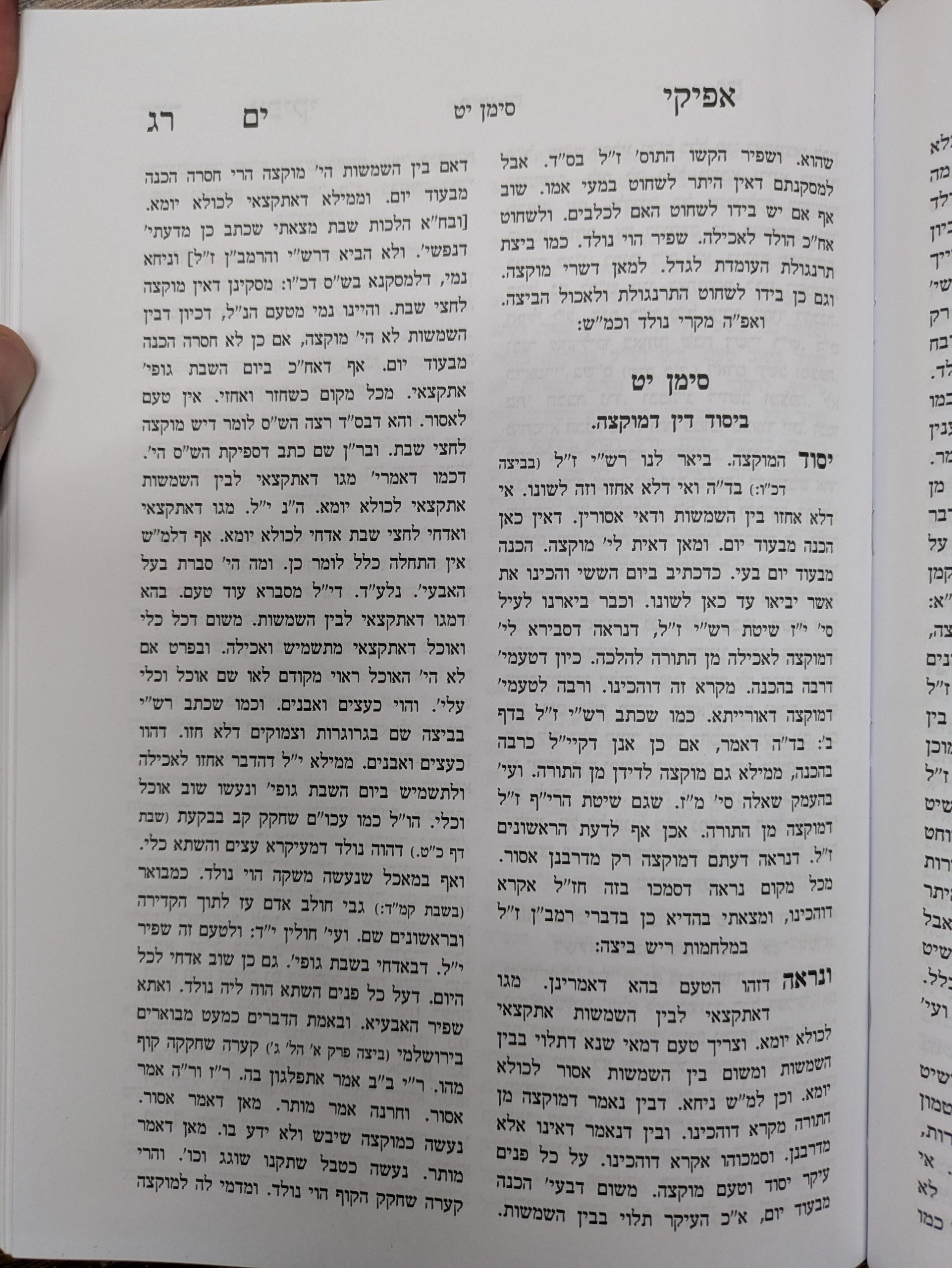
The אפיקי ים חלק ב ס’ יט (first two paragraphs) explains the source is “והכינו” an item has to be prepared for use for Shabbos. If it was not prepared before Shabbos than it is Muktzah
2. Why does ר”ש not hold of – מיגו דאתקצאי?
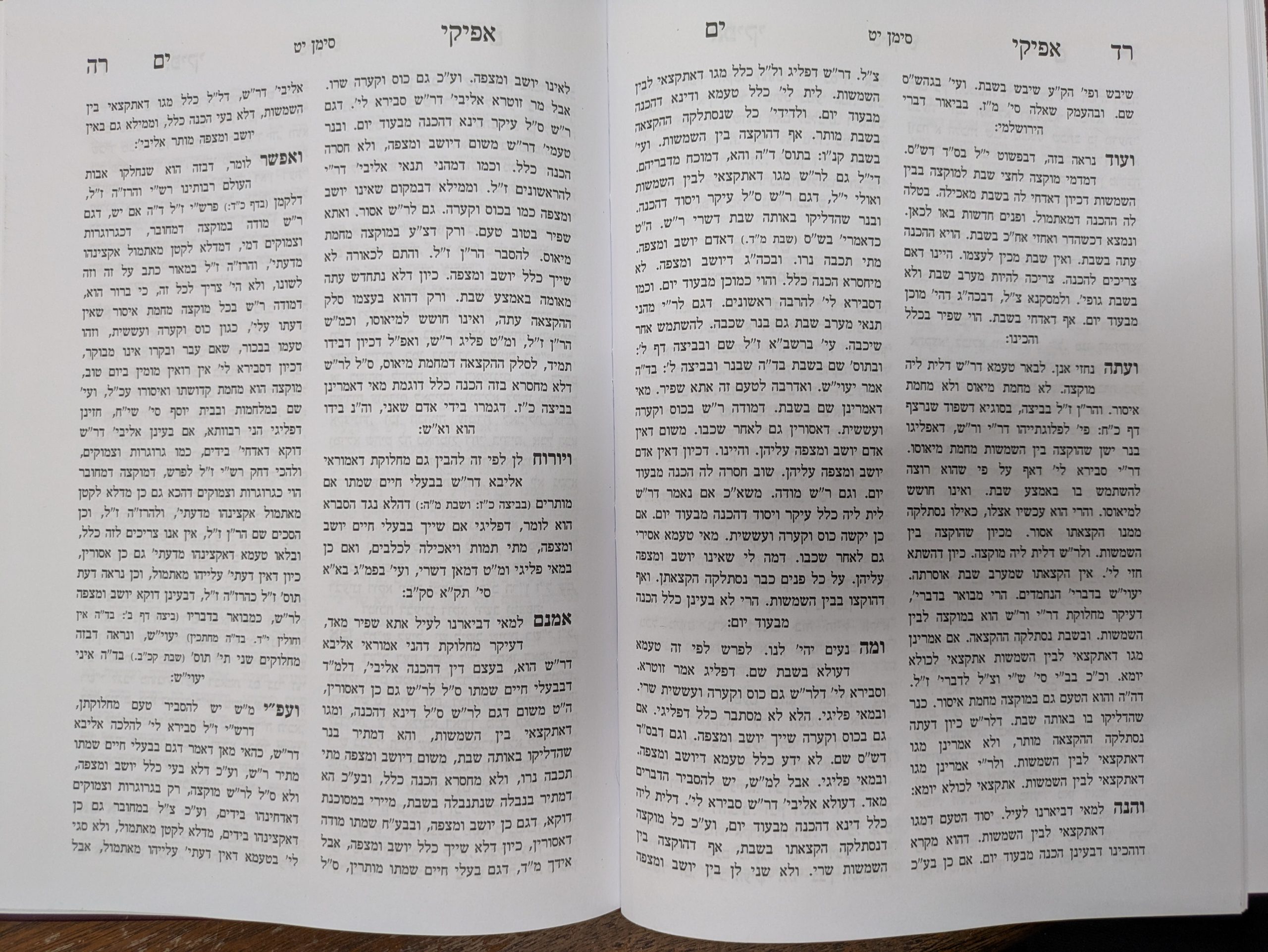
The אפיקי ים חלק ב ס’ יט – (page רד bottom of the right column “והנה”) gave two explanations
A) Either ר”ש does not agree to the requirement that an item needs to be prepared for Shabbos
B) He agrees to והכינו however in a case where the person is anticipating using it on Shabbos although it might be off limits at the beginning of Shabbos it is considered prepared.
3. Why does ר”ש agree that a large container of oil is muktza even after the flame goes out?
The אפיקי ים חלק ב ס’ יט – (page רד – left column) explained as the lantern and oil were not prepared for use for Shabbos/
4. There is a machlokes about what the position of ר”ש is in regards to an animal that died on Shabbos whether it is Muktzah.
What is the reasoning behind this machlokes?
This is a matter of dispute between the אפיקי ים and the Chazon Ish.
Based on what we learnt from the אפיקי ים and the Chazon Ish how can we explain the logic that only when there is a combination of מוקצה מחמת איסור and מוקצה מחמת מיאוס will we say מיגו דאתקצאי ?
We learnt the אפיקי ים חלק ב ס’ יט (first two paragraphs) the source is “והכינו” an item has to be prepared for use for Shabbos. If it was not prepared before Shabbos than it is Muktzah
(See Monday email for the attachment of the copy of the אפיקי ים)
Why does ר”ש not hold of – מיגו דאתקצאי?
We learnt the אפיקי ים חלק ב ס’ יט – (page רד bottom of the right column “והנה” for an incredible explanation) who gives two options
1. Either ר”ש does not agree to the requirement that an item needs to be prepared for Shabbos
2. He agrees to והכינו however in a case where the person is anticipating using it on Shabbos although it might be off limits at the beginning of Shabbos it is considered prepared.
The Gemara brought two opinions in regards to a large container of oil if ר”ש agrees that it is muktza even after the flame goes out.
What is the explanation for their argument?
Learn אפיקי ים חלק ב ס’ יט – (page רד bottom of the left column “ומה נעים” for an incredible explanation.
What is the point of dispute between ר”ש & רבי אליעזר בן רבי שמעון in regards to the oil that drips out of the lantern while the flame is still burning?
What is the point of dispute between ר”ש & רבי אליעזר בן רבי שמעון in regards to the oil that drips out of the lantern while the flame is still burning?
What is the point of dispute between ר”ש & רבי אליעזר בן רבי שמעון in regards to the oil that drips out of the lantern while the flame is still burning?
The שו”ע ס’ שי”א סע’ ח makes a distinction between moving for the purpose of the Muktzah item (prohibited) or for the non Muktza item (permitted) – לצורך דבר המותר או לדבר האסור
What is the logic of this distinction; Either indirect movement is considered movement or it is not considered movement, how does the intent of the movement affect the permissibility?
There are two approaches to explain this
1. Review שו”ע ס’ ש”ט סע’ ד, with the משנה ברורה ס”ק יד and the שער הציון ס’ ש”ט אות יז who gives a reason for the distinction